 SchedPilot
Social media monitoring: 5 tools to get started
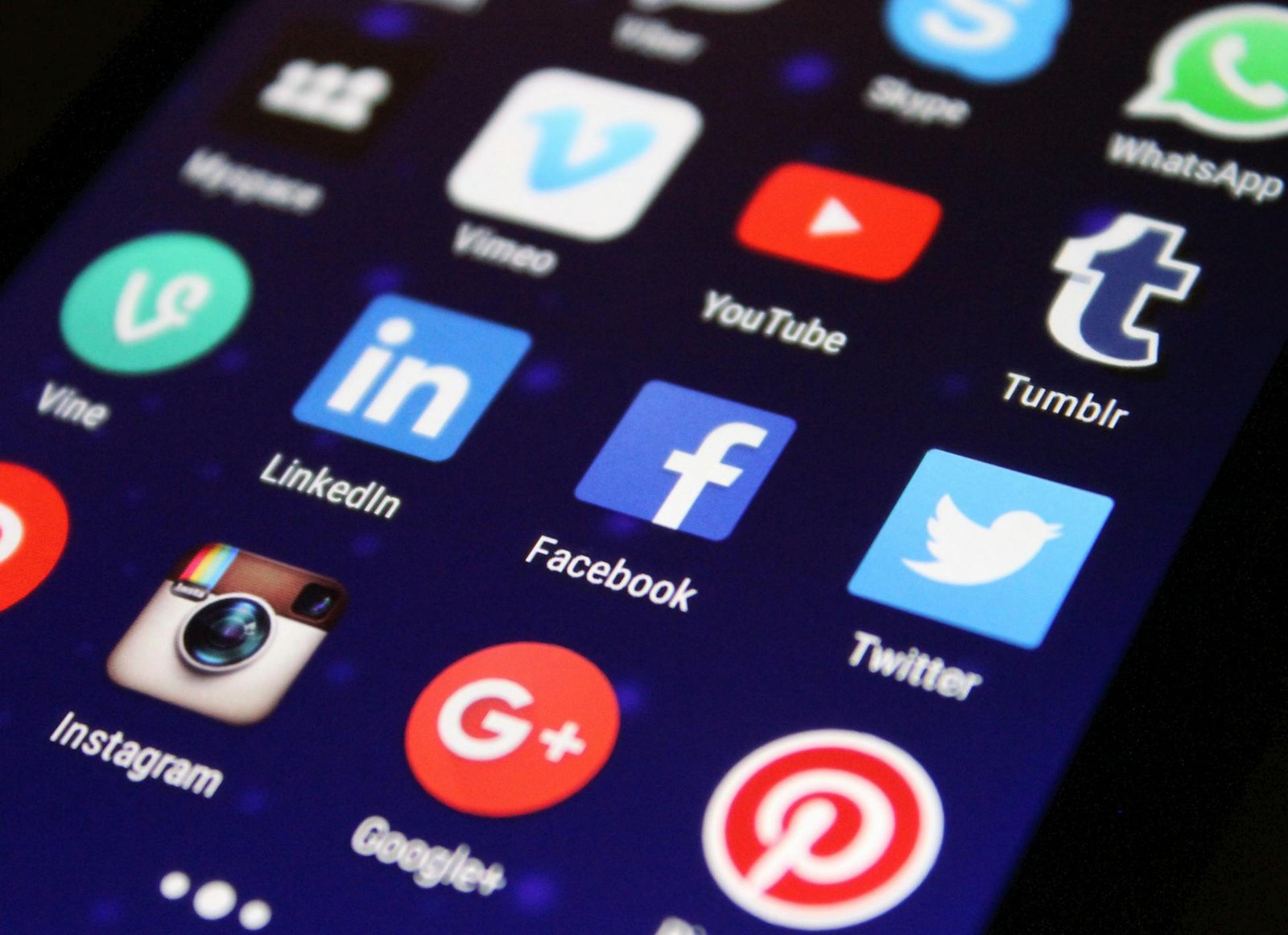
Your brand is being talked about right now. Somewhere between a sarcastic tweet and a buried Reddit thread, someone is either praising you like a cult leader or dragging you through digital mud, or even talking good stuff about you. You just do not know it yet. But would be great to get alerted when they do. Correct ?
I learned this the hard way. Years ago, a product I helped launch got roasted in a niche forum we did not even monitor. By the time we noticed, the narrative had already died, for good. Users were quoting each other like scripture. Damage control felt like arguing with ghosts.
Why social media monitoring is not optional anymore
People assume monitoring is about vanity metrics. Likes. Shares. A dopamine drip of meaningless engagement. Wrong.
It is about intelligence. Raw, unfiltered, occasionally brutal feedback that no polished survey will ever capture. It is where product issues leak first. It is where your competitors slip up. It is also where your next feature idea quietly surfaces before your roadmap even suspects it exists.
And yes, it can get messy. I once saw a dev cry over a semicolon. That same dev nearly quit after reading a Twitter thread about a bug he wrote. Monitoring would have caught it earlier. Maybe saved him a weekend.
What you actually need from a monitoring tool
Not all tools are created equal. Some are bloated dashboards with more charts than a stock trading app. Others are so barebones they feel like a side project abandoned on a Friday night.
Here is what matters:
- Real time alerts that do not lag behind the conversation
- Keyword tracking that actually understands context, not just exact matches
- Clean interface, because nobody wants to fight UI while chasing mentions
- Integration with your workflow, Slack, email, whatever keeps your team sane
- Signal over noise, which is harder than it sounds
Now let’s get into the tools. Five of them. No fluff.
1. Alertly
Lets talk more about Alertly, a very simple yet capable app. Start here. Seriously.
Alertly feels like someone finally got tired of overengineered monitoring platforms and built something that just works. No circus. No unnecessary knobs. You set your keywords, define triggers, and it starts feeding you relevant mentions across the web.
The magic sits in its simplicity. You do not spend hours configuring it. You do not need a manual. You just plug it in and go.
What stands out:
- Fast setup, minutes not hours
- Clean alerts that cut through noise
- Focus on actionable mentions instead of vanity metrics
There is also a certain charm to it. It does not pretend to be everything. It does one job and does it well. In a world full of feature creep, that is refreshing.
2. Brand24
Now we step into more robust territory.
Brand24 is for teams that want depth. It listens across social platforms, blogs, forums, news sites. You get sentiment analysis, influencer scores, and a decent breakdown of where conversations are happening.
The interface is not perfect. A bit crowded at times. But it gives you power.
Key strengths:
- Wide coverage across platforms
- Sentiment tracking that is actually usable
- Historical data for trend analysis
I once used it to track a product launch. Within hours, we spotted a negative spike tied to one influencer. One fix later, sentiment recovered. Without monitoring, we would have missed it entirely.
When you outgrow basic monitoring
There comes a point where simple alerts are not enough. You need context. Patterns. Trends that emerge over weeks, not minutes.
That is where tools like Brand24 start to earn their keep.
But not every team needs that complexity. Sometimes you just want to know when someone is talking about you, not build a thesis on it.
3. Hootsuite
Yes, it is a classic. And yes, it still holds up.
Hootsuite started as a social media scheduler. Over time, it evolved into a broader platform that includes monitoring features. You can track mentions, keywords, and conversations directly alongside your publishing workflow.
Convenience is the selling point here.
Why people still use it:
- All in one dashboard for scheduling and monitoring
- Streams that show live activity
- Team collaboration baked in
It is not the sharpest tool for deep analysis. But it is practical. Especially for teams juggling content and engagement in the same place.
And sometimes practicality wins.
4. Mention
Mention sits somewhere between lightweight and enterprise. A strange middle ground that actually works.
It tracks mentions across social media, news, blogs, and forums. Alerts are fast. The interface is clean. You also get some competitive monitoring features, which is where things get interesting.
Because let’s be honest. Watching your own brand is only half the story.
What makes it useful:
- Competitive tracking alongside your own mentions
- Real time alerts that do not feel delayed
- Easy setup with flexible keyword rules
I once set it up to monitor a competitor’s product launch. Within a day, we knew exactly what users loved and hated. That insight shaped our next release. No guesswork.
Competitive monitoring is underrated
Most teams obsess over their own mentions. They forget that their competitors are basically running free user research in public.
If you are not listening, someone else is.
Simple as that.
5. Sprout Social
This one leans premium. And it shows.
Sprout Social offers deep analytics, polished reporting, and strong team collaboration features. It is built for organizations that treat social media as a serious business function, not an afterthought.
The UI is slick. Almost too slick. But under the hood, it delivers.
Highlights:
- Advanced analytics and reporting
- Strong team workflows and permissions
- Integration with multiple social platforms
It is not cheap. That is the catch.
But if your operation is large enough, the investment makes sense. Otherwise, it might feel like buying a race car to drive to the grocery store.
Choosing the right tool without losing your mind
Here is the uncomfortable truth. No tool will fix a broken process.
You can buy the best monitoring platform on the market. If your team ignores alerts or reacts too slowly, it does not matter.
Start simple:
- Define what you want to track
- Decide who owns the response
- Set clear thresholds for action
Then pick the tool that fits that workflow. Not the other way around.
I have seen teams drown in dashboards. Too many metrics. Too many notifications. Eventually, they tune it all out. The tool becomes background noise.
Do not let that happen.
Final thoughts
Social media monitoring is less about tools and more about awareness. The tools just make it possible at scale.
Alertly gives you a clean starting point. Brand24 and Mention add depth. Hootsuite keeps things practical. Sprout Social goes full enterprise mode. Each has its place.
The real win is not in tracking mentions. It is in what you do with them.
Because every tweet, every comment, every random forum post is a piece of the puzzle. Ignore enough of them, and you wake up one day wondering why your product feels out of touch.
Listen closely, though, and you start seeing patterns. Signals. Opportunities hiding in plain sight.
And sometimes, if you are lucky, you catch the fire before it becomes a wildfire.
I once ignored a single angry comment and it turned into a 200 reply thread. Never again.
Software does not fail quietly, people do.
And sometimes, the loudest bug report is just a meme with 10,000 likes.