 SchedPilot
What Is SMMA? Social Media Marketing Agency Explained (2026 Guide)
SMMA gets sold like a magic trick.
Quick answer: What is SMMA?
SMMA stands for Social Media Marketing Agency. It is a business that helps brands generate leads, sales, and revenue through social media platforms like Instagram, TikTok, Facebook, LinkedIn, and YouTube. SMMAs typically offer paid advertising management, organic content strategy, creative production, and analytics — usually charging a monthly retainer between $1,000 and $10,000+ depending on scope.
One bored guy opens a laptop, sends twelve cold messages, lands three clients by Friday, and by Monday he is apparently sipping something expensive while ads print money in the background. I have seen this fantasy paraded around the internet for years, usually by someone standing near a rented car and speaking with the confidence of a man who has never had to explain a drop in cost per lead to an angry dentist.
Free trial · No upfront payment · 10+ platforms
Try SchedPilot for free
Post on 10 platforms at once. Great for influencers, marketers, agencies.
Reality is not like movies
The reality is far less cinematic, and far more interesting.
In 2026, an SMMA still matters because social platforms are not exactly getting smaller or simpler. Meta reported 3.48 billion family daily active people in June 2025, TikTok said it now reaches more than 200 million people monthly across Europe, LinkedIn says it connects over 1 billion professionals, and YouTube says creator influence keeps paying off long after upload day.
That is not a side hustle playground. That is a crowded, expensive, algorithm shaped battlefield.

So, what is an SMMA?
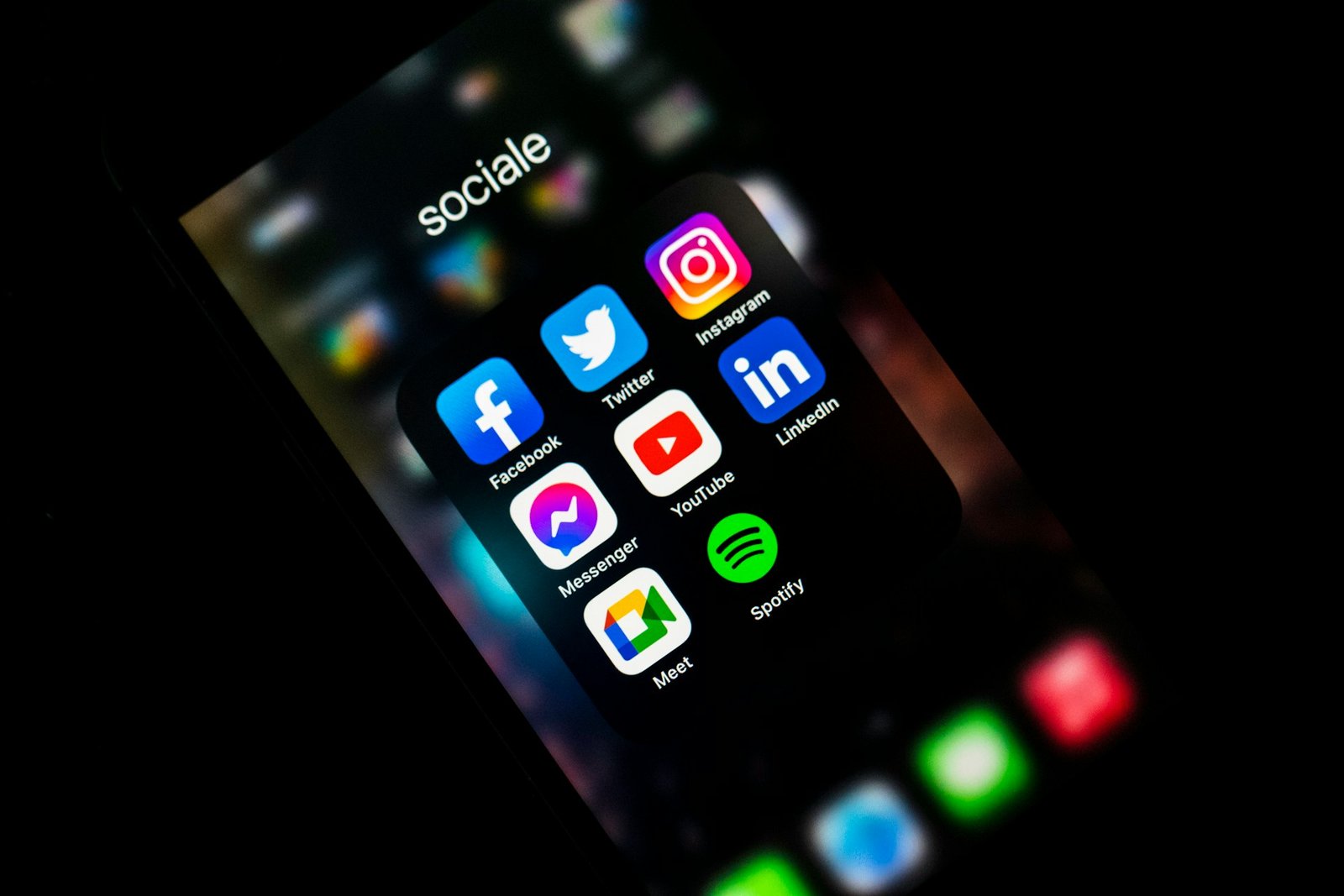
An SMMA is a social media marketing agency. Simple label, messy reality. It is a business that helps brands get attention, leads, customers, and revenue through platforms like Instagram, Facebook, TikTok, LinkedIn, YouTube, and sometimes X, Pinterest, Reddit, or whatever app marketers are pretending to understand this quarter.
At its core, the agency sells execution plus judgment.
That second part matters more than rookies think. Posting pretty graphics is not strategy. Buying traffic with zero offer clarity is not media buying. A real SMMA studies audience behavior, builds campaigns around business goals, shapes creative, manages spend, tracks results, and adjusts fast when the market starts acting weird, which it often does because the internet is a caffeinated raccoon with admin access.
What an SMMA actually does in 2026
In 2026, most serious SMMAs are not just “social media managers.” They are part media desk, part creative lab, part analytics team, part client therapist. They handle the ugly middle where ideas either become revenue or die in a slide deck.
A decent agency usually offers some version of these services:
- Paid social ad management across Meta, TikTok, LinkedIn, and YouTube
- Organic content planning, publishing, and channel management
- Creative production, including short video, UGC style assets, hooks, scripts, and ad variations
- Tracking, attribution, reporting, and conversion analysis
- Offer testing, funnel feedback, landing page direction, and retention focused campaign ideas
That mix is why the business model attracts both killers and clowns. Anyone can call themselves an agency after buying a logo from a marketplace and learning three phrases like “optimize the funnel” and “scale winners.” Delivering month after month is the hard part. I once watched a founder blame “algorithm volatility” for results that were clearly caused by terrible copy and a landing page slower than winter honey.

How the business model works
Most SMMAs make money in one of four ways. None are magical. All come with tradeoffs, and each one reveals what kind of operator you are.
- Monthly retainer
The client pays a fixed fee for ongoing work. This is the classic model, and usually the healthiest one when scope is defined properly. - Retainer plus ad spend percentage
The agency takes a management fee and a percentage of media spend. Good for larger accounts, dangerous when spend rises faster than performance. - Project based work
Great for audits, launch campaigns, content sprints, or tracking setup. Bad if you secretly want recurring revenue but keep selling one off gigs. - Performance based pricing
Sexy in theory, chaotic in practice. If attribution is fuzzy, expectations get messy fast.
The beginner mistake is obvious: charging too little, promising too much, and attracting clients who want champagne results on a vending machine budget. Cheap clients do not become loyal clients. They become historians. They will remember every missed deadline since the invention of the wheel.
Why brands still hire agencies
Because platforms keep changing, and most businesses have neither the time nor the internal talent to keep up without setting something on fire. TikTok says its recommender system helps businesses reach new customers without needing a huge following, LinkedIn keeps leaning into lead generation and objective based campaigns, and YouTube says 40 percent of a video’s views happen more than a month after it goes live.
In plain English, the opportunity is real, but it rewards people who know how to match platform behavior to business intent.
Also, the modern content stack is a beast.
A founder might know their product inside out, but still have no idea how to brief vertical video, structure a retargeting sequence, interpret creative fatigue, or decide whether a campaign failed because of audience, offer, message, timing, or plain old bad taste. That is where agencies earn their keep. The good ones reduce uncertainty. The bad ones produce dashboards with lots of arrows and very little truth.
What separates a real SMMA from a teenager with Canva and confidence
Results matter, yes. Process matters more than people admit. A serious agency has intake systems, briefing frameworks, naming conventions, reporting cadence, creative testing logic, and clear lines between strategy and execution. Without that backbone, the whole shop becomes a panic factory.
Here is what strong agencies usually get right:
- They pick a niche or at least a repeatable type of client problem
- They sell outcomes tied to revenue, pipeline, bookings, or qualified leads
- They control scope before scope controls them
- They report on decisions, not just numbers
- They build reusable systems so every new client does not reinvent the wheel
That last point is where many SMMAs graduate from freelancer chaos to agency maturity. You stop being paid only for your hands. You start being paid for your operating system. There is a big difference.
The SMMA niches that make sense in 2026
Not every niche is worth chasing. Some sectors are overserved. Some are allergic to decent budgets. Some want daily miracles while sending you phone photos that look like witness protection portraits.
The stronger plays in 2026 tend to have one thing in common: clear economics. If a business knows what a lead or customer is worth, you can build rational campaigns around that number. That is why SMMAs often do well with med spas, dental groups, home services, legal practices, coaching offers, ecommerce brands, SaaS products, and specialized B2B companies. LinkedIn’s scale matters for B2B targeting, while YouTube and TikTok remain powerful when the message benefits from personality, education, or demonstration.
A weak niche usually looks like this: low margins, poor follow up, no CRM discipline, terrible offer clarity, and an owner who thinks “more exposure” is a business plan.
Run.
Common SMMA traps that wreck agencies early
The internet loves the glamorous part, the first client, the first invoice, the first screenshot. It rarely shows the ugly bits, like churn, late feedback, broken tracking, or that one client who wants to approve every caption as if state secrets are involved.
Here are the traps that eat new agencies alive:
- Selling to everyone
Generalists often sound vague. Vague agencies get compared on price. - Confusing vanity metrics with business metrics
Reach is nice. Revenue is nicer. - Ignoring creative quality
Bad ads do not become good ads because you changed the audience. - Depending on one platform
Platform risk is real. One policy shift can punch a hole through your month. - Taking ownership of outcomes the client sabotages
If their sales team never calls leads, that is not your campaign failing. That is operational self harm.
I have seen agencies drown in feature creep too. The client asks for posts. Then reels. Then email. Then landing pages. Then “just a bit of branding.” Suddenly your social media agency is functioning like a discount department store with no margin and no oxygen.
What clients should expect from an SMMA
Not miracles. Not instant virality. Not a single viral reel that somehow compensates for a weak offer, a confused website, and a sales process held together by prayer.
Clients should expect three things. First, clarity: what is being done, why it is being done, and what success looks like. Second, consistency: campaigns maintained properly, creative refreshed on schedule, reporting delivered without excuses. Third, honesty: when something is not working, the agency says so quickly and adjusts.
A smart client also understands the split of responsibility. The agency handles traffic, content, testing, positioning feedback, and platform execution. The client still owns product quality, speed to lead, sales follow through, customer experience, and internal discipline. When both sides do their jobs, an SMMA becomes a force multiplier. When one side plays clown car, the numbers tell on everyone.
How to build an SMMA without becoming unbearable
The best path is boring. Good. Boring scales.
Start with one audience you understand. Learn one or two channels deeply. Build a clear offer around a measurable pain point. Create a repeatable onboarding flow, a reporting template, a content approval system, and a testing process that does not rely on vibes and caffeine. Then improve your client acquisition with actual case studies, not motivational monologues.
A practical first roadmap looks like this:
- Pick a niche with money, urgency, and measurable outcomes
- Define one core offer that solves one costly problem
- Build proof, even if that means doing pilot work strategically
- Standardize delivery before hiring anyone
- Hire only when the system is strong enough to survive another human touching it
The founders who last are usually less flashy than the gurus. They write better briefs. They ask sharper questions. They understand offers, creative, psychology, and economics. They care about retention. They know that winning one client for two years beats flexing ten clients for two months.

Is SMMA still worth it in 2026?
Yes, but not as a fantasy. As a business, absolutely.
There is still huge demand because attention is fragmented, ad systems are more complex, creative standards are higher, and businesses keep needing help translating platform chaos into revenue. Meta continues to expand ad delivery across a massive ecosystem, TikTok keeps pulling businesses and communities into its discovery engine, LinkedIn remains a heavyweight for professional targeting, and YouTube keeps proving that creator led influence has long legs.
That means room still exists for agencies with real skill, clean systems, and adult expectations.
But the lazy version is dying, and frankly, good riddance. The era of slapping “SMMA owner” into a bio and reselling shallow tactics is getting less cute by the minute.
What works now is competence. Sharp positioning. Better creative. Better measurement. Better client selection. Less noise, more signal.
So if you asked, “What is SMMA?” here is the clean answer: it is a service business that helps brands grow through social platforms. If you asked the better question, “What kind of SMMA wins in 2026?” the answer is even cleaner: the one that behaves like a real operator, not a motivational poster with an invoicing app.
Every agency says it drives growth until the spreadsheet starts asking questions.
Frequently Asked Questions about SMMA
Try SchedPilot for free
Free trial · No upfront payment · 10+ platforms
Post on 10 platforms at once. Great for influencers, marketers, agencies.