 SchedPilot
Podcast Clipping on Autopilot: One Episode, a Week of Shorts, Reels and TikToks
Podcast clipping means cutting the best 30 to 90 seconds out of each episode and posting them as vertical videos on TikTok, YouTube Shorts and Instagram Reels.
The setup that runs itself: upload the episode to an AI clip generator (OpusClip, Vizard, Choppity and Podsqueeze all do this), keep the five to seven clips that actually land, and let SchedPilot post one a day to all three platforms until the next episode comes out.
The clip generator is the easy part; there are dozens and they’re all decent. What decides whether clips grow the show is everything after: picking the right moments, the first line on screen, and posting every single day instead of in a burst on release day. That’s what this guide covers, with a prompt that schedules a whole week from one list of links, and a fully automated version built in n8n.
Post in 10 Platforms at once
Free trial · Start with $0 · 10+ platforms
Social media management tool. Instagram, TikTok, Facebook, Twitter, LinkedIn and more. Great for influencers, marketers, agencies.
The podcast clipping workflow
Episode goes into the clip generator. You review and keep the good clips. You add captions and an outro. SchedPilot posts them, one a day, to TikTok, Shorts and Reels. Your weekly time on it drops to about twenty minutes, nearly all of it spent choosing clips.
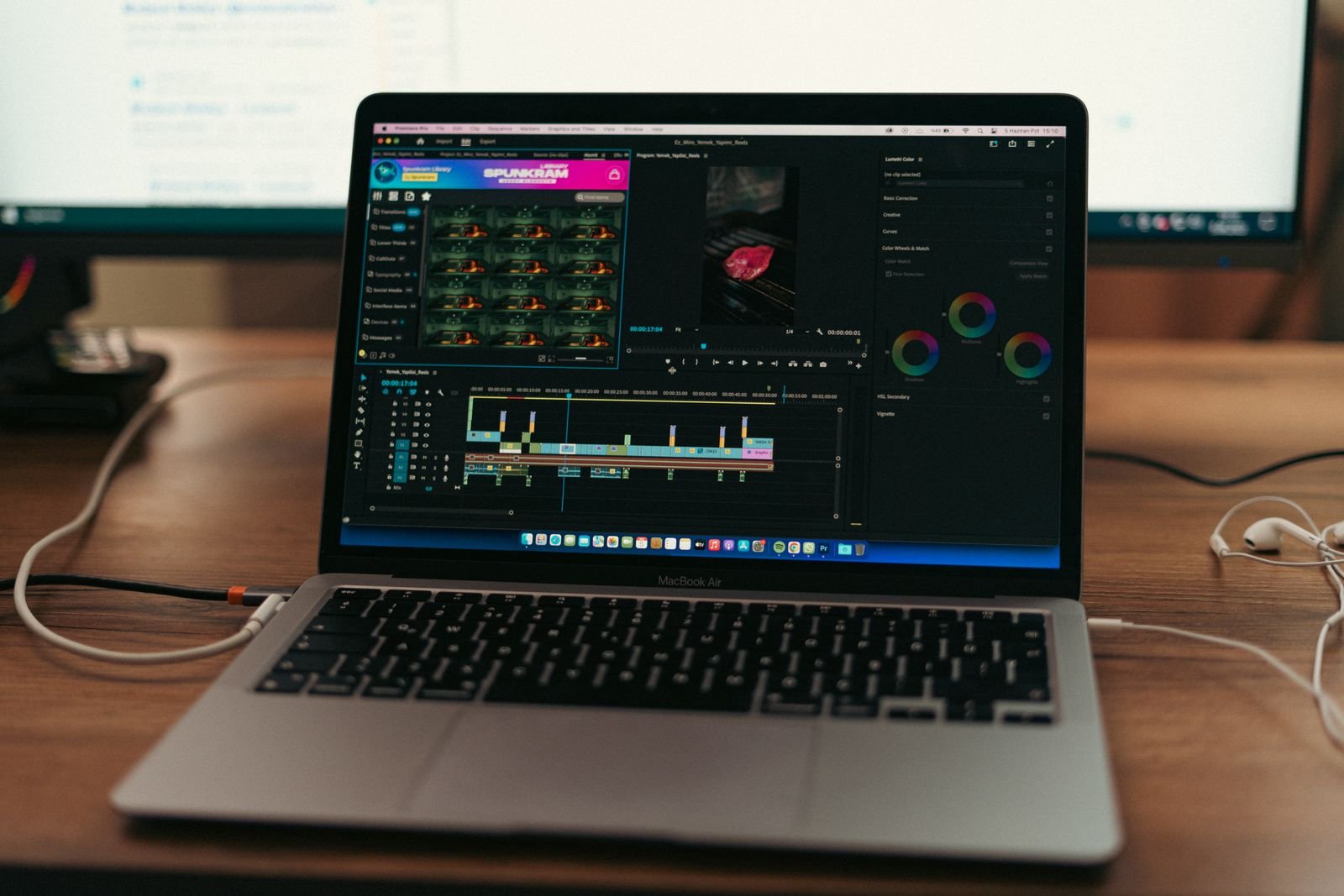
Step 1: Generate the clips
Upload the episode (or paste its YouTube link) into a podcast clip generator. It transcribes the conversation, scores moments for how well they’d work as standalone clips, reframes to 9:16 so the person talking stays centered, and burns in captions. Most give you 10 to 30 suggestions per episode.
Audio-only podcast? You can still clip it. Tools like Headliner turn an audio segment into an audiogram (waveform, captions, cover art), and those do fine on Shorts and Reels even if they’ll never look as good as video. If you can record video for future episodes, do; talking-head clips beat audiograms every time.
Step 2: Pick clips like an editor, not an algorithm
The AI’s scores are a starting point. What actually works for podcast clips: a strong opinion stated in the first sentence, a story with a payoff inside 60 seconds, a surprising number, or a disagreement between hosts. What doesn’t: the warm-up chat, anything that needs the previous five minutes to make sense, and “great question” answers that take 40 seconds to start.
Give every clip an on-screen line for the first second that says why to watch: “Why we fired our biggest client,” not “Episode 47 highlights.” That one line matters more than the editing.
For the finishing, SchedPilot’s Stitched Video Editor appends one outro clip (“full episode on Spotify and YouTube”) onto every clip in a batch, and can add automatic speech-to-text captions if your clip tool didn’t. Its Video Editor adds styled text overlays for the hook line.
Step 3: Schedule the whole week at once
One clip a day, every day, beats seven on release day. It keeps the show in front of people between episodes, and each clip gets its own chance with the algorithm instead of competing with its siblings. Put the finished clips somewhere with direct download links (an S3 bucket, Cloudflare R2, a Dropbox direct link), connect SchedPilot to Claude with the connector URL https://api.schedpilot.com/mcp, and paste this prompt with your own links in place of the placeholders:
Use SchedPilot. Timezone: Europe/London.

1. Call get_accounts and use my TikTok, YouTube and Instagram accounts.
2. These are this week's clips from episode 48, best first:
   [paste the link to clip 1]
   [paste the link to clip 2]
   [paste the link to clip 3]
   [paste the link to clip 4]
   [paste the link to clip 5]
   [paste the link to clip 6]
   [paste the link to clip 7]
3. Call upload_media for each clip.
4. Schedule one clip per day with create_post at 18:00, starting tomorrow,
   to all three accounts. Clip 1 goes first.
   Caption: the clip's main point in one sentence, then
   "Full episode: link in bio", then 2 hashtags.
   YouTube title: under 70 characters, phrased as the takeaway.
5. Show me a table of date, clip and caption.
Each link has to point straight at the video file, not at a page that shows it. Google Drive share pages and Dropbox preview pages won’t work; a Dropbox link ending in dl=1 or a public S3 or R2 URL will.
Another workflow: cut the clips in n8n, post with SchedPilot
If you’d rather not pay per clip for a generator, or you want the whole pipeline to run without opening any app, n8n can do the cutting too. SchedPilot’s MCP connector runs on the same REST API, so n8n’s HTTP Request node can post the finished clips exactly the way Claude does. A self-hosted setup looks like this:
- Trigger: an RSS Feed Trigger on your podcast feed, or a Google Drive Trigger when the episode video lands in a folder.
- Transcribe: send the audio to a speech-to-text service (OpenAI’s transcription API works) and get the transcript back with timestamps.
- Pick the moments: an AI node reads the transcript and returns five to seven start and end times, each with a one-line hook. Give it the rules from Step 2 above.
- Cut: an Execute Command node runs ffmpeg once per moment to cut the segment and crop it to vertical.
- Post: HTTP Request nodes upload each clip to SchedPilot (
POST /developers/v1/media/upload) and schedule it (POST /developers/v1/post), one clip per day, to your TikTok, YouTube and Instagram accounts.
The cutting step is one ffmpeg command per clip. This one takes 53 seconds starting at 12:05, center-crops it to 9:16 and scales it to 1080 by 1920:
ffmpeg -ss 00:12:05 -to 00:12:58 -i episode.mp4 -vf "crop=ih*9/16:ih,scale=1080:1920" -c:v libx264 -c:a aac clip1.mp4Two honest caveats. A center crop only works when the speaker sits in the middle of the frame; for two hosts side by side, a dedicated clip tool that tracks faces will frame it better. And the Execute Command node needs a self-hosted n8n with ffmpeg installed. In return you get no per-clip fees and full control over every step. The upload and scheduling nodes are the same ones in our n8n TikTok auto post workflow, which you can import and extend, and the n8n social media automation guide covers the rest.
Why post through SchedPilot instead of building a bot
Once clips exist, it’s tempting to point a posting bot or a browser automation script at TikTok and YouTube and call it done. That’s usually where the trouble starts. SchedPilot publishes through each network’s official API (TikTok’s Content Posting API, Instagram’s API, the YouTube Data API and so on), with every account connected through that platform’s own login screen. What that saves you:
- Your accounts stay safe. Bots that log in as you and click buttons break the terms of service of TikTok, Instagram and YouTube, and accounts caught doing it get restricted or banned. Posting through the official API is what the platforms allow.
- Nothing breaks when an app updates. Browser bots fall over every time a button moves, a captcha appears, or a login session expires, usually at 2am on a day you weren’t watching.
- No developer approvals to chase. Building your own official integration means a developer app per platform, Meta’s app review, TikTok’s audit (until it passes, every post is private-only), refreshing access tokens, and each network’s own video upload process. SchedPilot has already done all of that.
- One request instead of three integrations. The same clip goes to TikTok, Shorts and Reels in a single call, and anything a platform rejects shows up on the Failed page instead of disappearing silently.
Clipping someone else’s podcast
A lot of people searching for podcast clipping want to clip other shows, often through paid clipping campaigns where a podcast pays per view. That’s legitimate when the show has asked for clippers; it isn’t when you just download someone’s episodes. Campaigns usually come with rules about captions, watermarks and which accounts count, so read them before you post. Our guide on making money with clipping videos covers how the campaigns pay.
Running clips for several shows at once means several accounts per platform, and that’s where posting by hand stops being possible. Automating clips across multiple accounts shows how to set that up, including varying captions so the accounts don’t look like copies of each other.
Platform notes for podcast clips
YouTube Shorts is usually the best home for podcast clips, because viewers who like a clip can go straight to the full episode on the same platform. Link the Short to the full video when you’re in YouTube Studio. On TikTok, captions matter even more since many people watch with the sound off; make sure every clip has them. On Instagram, Reels from a professional account can be scheduled like any other post, and you can share them to the show’s Story by hand for a little extra reach.
And watch for music. Intro and outro music you licensed for the podcast may not be licensed for social clips; trim it out unless you know it is.
Other ways to build this
For the whole clipping playbook, see how to start a clipping channel; for streams, auto posting Twitch clips. The posting step is the same one used for game and stream clips: see clipping GTA 6 gameplay for a gaming version. It also runs from n8n, Make, or the SchedPilot API directly. Prefer scheduling by hand? The YouTube scheduler and TikTok scheduler do it from the app.
Podcast clipping FAQ
How long should podcast clips be?
Most land between 30 and 90 seconds. The test is whether the clip makes its point without the rest of the episode; if it needs more context, cut a different moment.
How many clips should I post per episode?
For a weekly show, seven: one a day until the next episode. For a daily show, two or three of the best.
Can I automate podcast clipping completely?
Yes, with n8n: transcribe the episode, let an AI node pick the moments, cut them with ffmpeg, and post them through SchedPilot’s API. Most shows still review the clips before they go out, because picking moments is where AI makes the most mistakes.
Is it safe to auto post podcast clips?
Through official APIs, yes. SchedPilot posts through each platform’s official API, which is what the platforms allow. Bots that log in as you and click through the app are what get accounts banned.
Is it legal to clip other people’s podcasts?
With permission, yes: many shows run clipping programs or paid campaigns. Without it, you risk takedowns and copyright strikes.
Want your episode clips to post themselves? Start SchedPilot for $0, connect TikTok, YouTube and Instagram, and schedule this week’s clips. The trial lasts 7 days, a card is required, and nothing is charged if you cancel before it ends. Plans start at $29 a month, or $21 a month billed yearly.
Related posts
Zapier Social Media Automation: Schedule Posts to 9 Networks From One Zap
November 22, 2026
How to Repurpose YouTube Videos Into Shorts, Reels and TikToks (Automatically)
November 22, 2026
How to Auto Post Twitch Clips to TikTok, Shorts and Reels After Every Stream (Kick Too)
November 22, 2026
How to Start a Clipping Channel (and Run It on Autopilot)
November 22, 2026