 SchedPilot
Nvidia Lost a Third of Its Value in 10 Days. Here’s What Your Social Media Calendar Should Learn From It.
Nvidia’s stock fell about 33% between Nov. 8, when Jensen Huang admitted to an extramarital affair, and Nov. 23, when the board reinstated him as CEO. Then it jumped 31% in a single day. Nothing about Nvidia’s chips changed in those two weeks. A story moved the price, and so did how people talked about it in public. For anyone running a brand’s social accounts, the lesson is simple: your scheduled posts don’t read the news, so you need a plan for pausing them before the next story breaks in your corner of the internet.

Here’s the short version. When something blows up, open your scheduler, list everything due in the next 72 hours, hold anything promotional or jokey, post one plain holding line if the story actually touches you, and pick a date to resume. With a plan, that takes about 20 minutes. Without one, it eats an afternoon, and the 9:00 post goes out anyway while you’re still in the group chat arguing about it.
Do You Want to Grow Your Social Media Faster?
Post to 10+ platforms at once — Instagram, TikTok, Facebook, X, LinkedIn and more. Built for influencers, marketers and agencies.
- 🚀 Schedule to all platforms at once
- 🤖 Let AI Agents write your posts for you
- 📈 Watch your engagement skyrocket
- 🎁 Completely free to start
Start for $0
What happened at Nvidia, in order

On Nov. 13, Huang resigned after reports that he’d had several extramarital affairs, including one with a woman described as an alleged Chinese spy. CFO Colette Kress stepped in as interim CEO. According to CNBC, the stock had lost nearly a third of its value from the day of his first admission.
Ten days after the resignation, the board voted unanimously to bring him back. Its official statement said it had received input from senior levels of the U.S. government, and President Trump told NBC News and CNBC that he had personally intervened. Shares closed up 31% that Monday. By Tuesday’s close they had given back nearly 6%, finishing at $155.38, according to Fox News. Huang is due to testify before Congress next week, so this story isn’t finished.
We’re not going to weigh in on the affair or the politics. That’s not what this blog is for, and frankly it’s the fastest way for a brand to get dragged in the replies. The part worth studying is the speed. A company with the same products, the same customers and the same order book swung by hundreds of billions of dollars because of what people were saying, hour by hour. Your brand is smaller. It’s also more exposed, because you don’t have a comms team on call at 2 a.m.
Your queue keeps posting while the internet is on fire
For most small teams, the bigger risk in a crisis isn’t saying the wrong thing. It’s a cheerful post you wrote nine days ago going out on its own.
Picture a payments startup with a Black Friday discount queued for 9:00 on Friday. At 8:40 its processor goes down and customers can’t check out. The post fires on schedule: “Our biggest sale of the year is LIVE 🎉”. The replies write themselves, and none of them are kind. Nobody did anything wrong when they scheduled it. The problem is that nobody owned the queue once the morning changed.
The story doesn’t even have to be about you. This week, if you run an AI tool’s account and had a “chip stocks only go up” meme queued, it would have landed in the middle of a scandal involving espionage allegations and a 33% drop. Bad timing reads as bad judgment, even when it’s just a calendar doing its job. The same goes for layoffs at a partner company, a platform outage, or a tragedy in a city where you have a lot of followers.
Scheduling is still the right call. Batching a week of posts in one sitting is how small teams stay consistent (here’s how to bulk schedule if you’re new to it). What’s missing on most teams is the off switch.
The 20-minute pause plan
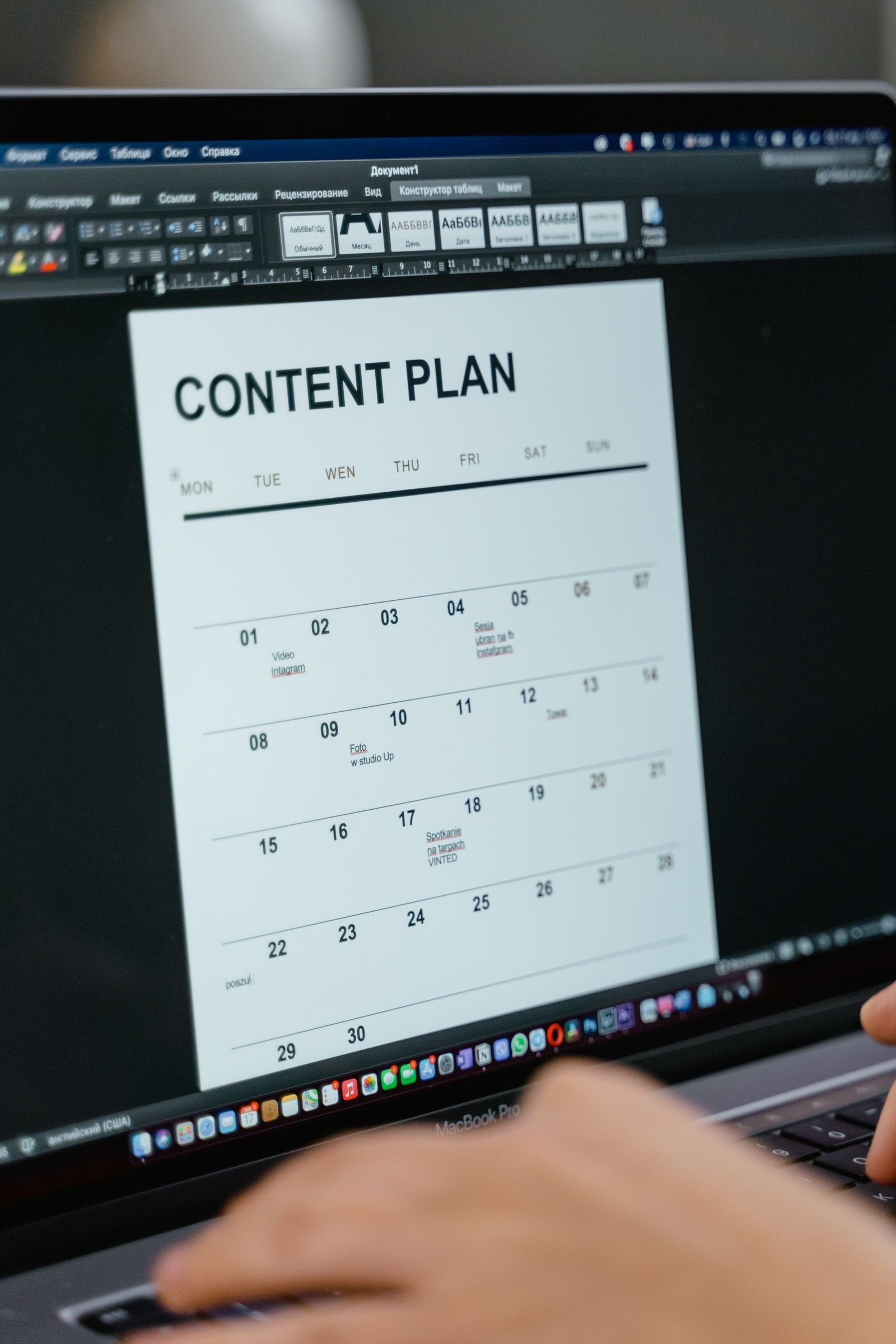
Write this down now, while nothing is happening. It’s five decisions, and the first one matters most.
- Name who can pull the plug. One person plus a backup. If pausing needs a meeting, it’ll happen after the post has already gone out.
- List everything due in the next 72 hours, on every network. The story might be on X, but your LinkedIn post is still going to look tone-deaf.
- Sort it into keep, move and kill. Neutral, useful posts can usually stay. Promos, launches and giveaways move. Jokes and hot takes get deleted.
- Write one holding line if the story touches you directly. Plain words, no emoji.
- Put a resume date in the calendar so the pause doesn’t quietly turn into three weeks of silence.
Seventy-two hours is a judgment call, but it’s a good default. Most news cycles that aren’t about you burn hot for a day or two. If the story is about you, throw the timer out and go post by post.
In SchedPilot, the scheduled posts for every connected account live in one place, so step two means opening one app instead of logging into nine. Delete anything in the kill pile. For the move pile, delete the post and schedule it again for a later date. If you run more than a couple of brands, managing multiple accounts from one place matters most on exactly these mornings.
You can also hand the audit to an AI agent. SchedPilot ships an MCP server, so Claude or ChatGPT can read your scheduled posts and delete the ones you approve. A prompt like this works:
Use SchedPilot.
1. List every post scheduled in the next 72 hours, on all accounts.
2. Flag anything promotional, celebratory or jokey, and anything
   that mentions AI stocks, Nvidia or chips.
3. Show me the flagged posts in a table with date, account and
   first line. Don't delete anything until I say which ones.
That last line is important. Let the agent do the sorting and keep the final call for yourself. Connecting Claude to social media walks through the setup.
If several people can queue posts on your accounts, an approval workflow is the other half of this. Pausing is much easier when you already know who wrote what.
What Huang’s comeback message got right
Whatever you think of how he got his job back, the way Huang talked to his staff on day one is worth copying. Employees cheered when he walked back into the Santa Clara headquarters, and he apologized and promised to be a better CEO the second time around, CNN reported. At an all-hands later, he said he’s in therapy, per TechCrunch.
Short, owned the mistake, and said what changes next. That’s the whole template for a brand apology post too. Most brands get it wrong by doing the opposite: three paragraphs of “we take this very seriously” and no actual change.
Back to the payments startup. Its fix should fit in one post: “Our 9:00 sale post went out during the outage. That was our mistake. We’ve paused all scheduled posts until checkout is fully back, and we’ll post the next update here at 14:00.” Then post at 14:00, exactly when you said you would. Keeping that small promise does more for trust than the apology itself.
Should you post about the Nvidia story at all?
Mostly no. Jumping on a trending story (newsjacking) can bring a burst of reach, but only when you have something specific to add. This article is newsjacking, so judge it by the same rules we’d give you.
Talk about the business lesson, never the person’s private life. Don’t pick a side on the politics unless your brand already lives there. Skip the jokes; a scandal with espionage allegations isn’t meme material for a company account. And don’t schedule a hot take three days out. This story will look different after next week’s congressional hearing, and a take written today can age badly by Thursday. If you’re going to comment, post it live and stick around to answer the replies.
One more thing. If you do post, check what else is queued around it. A sober post about the Nvidia story followed 40 minutes later by a scheduled “Happy Wednesday!! ☀️” undoes the whole effort.
Do a dry run before Friday
Queues are fullest in Black Friday week, which makes it the worst week to discover you don’t know who can pause them. Put the five decisions in your social media workflow doc today. Then run the plan once for real: pull up the next 72 hours and sort them into keep, move and kill, even though nothing is wrong. It takes 15 minutes, and you’ll probably find at least one post you’d rather not see go out. If you still need posts for the weekend, our Black Friday post plan has a full week ready to schedule.
Questions people ask about pausing posts in a crisis
Should you delete all scheduled posts when bad news breaks?
No. Hold promotional, celebratory and humorous posts. Neutral, helpful content (a how-to, a product update with no hype) can usually go out as planned.
How long should a brand stop posting?
For news that isn’t about you, 24 to 72 hours is usually enough. If the crisis is about your own company, pause until you’ve posted your update and the replies have settled, then resume one post at a time.
Why did Nvidia’s stock drop so much?
Shares fell nearly 33% after Jensen Huang admitted to an extramarital affair on Nov. 8 and resigned on Nov. 13, following reports that one affair involved an alleged Chinese spy. They rose 31% on Nov. 23 when the board reinstated him, then slipped almost 6% the next day.
Want every account’s queue on one screen before the next story breaks? Start SchedPilot for $0, connect your networks, and run the 72-hour check from one place. The trial lasts 7 days, a card is required, and nothing is charged if you cancel before it ends. Plans start at $29 a month, or $21 a month billed yearly (see pricing).
Related posts
Can ChatGPT Post to Social Media? What Actually Works in 2026
November 23, 2026
Best Ways to Increase Social Media Share Counts in 2026, Platform by Platform
November 8, 2026
How to Schedule Instagram Posts With ChatGPT (Setup, Prompts, Limits)
October 2, 2026
Content Calendar vs Social Media Scheduler: What You Actually Need
July 12, 2026